Why Do Designers Always Favor Using Aluminum Panels for Curtain Walls, Despite so Many Metal Materials?
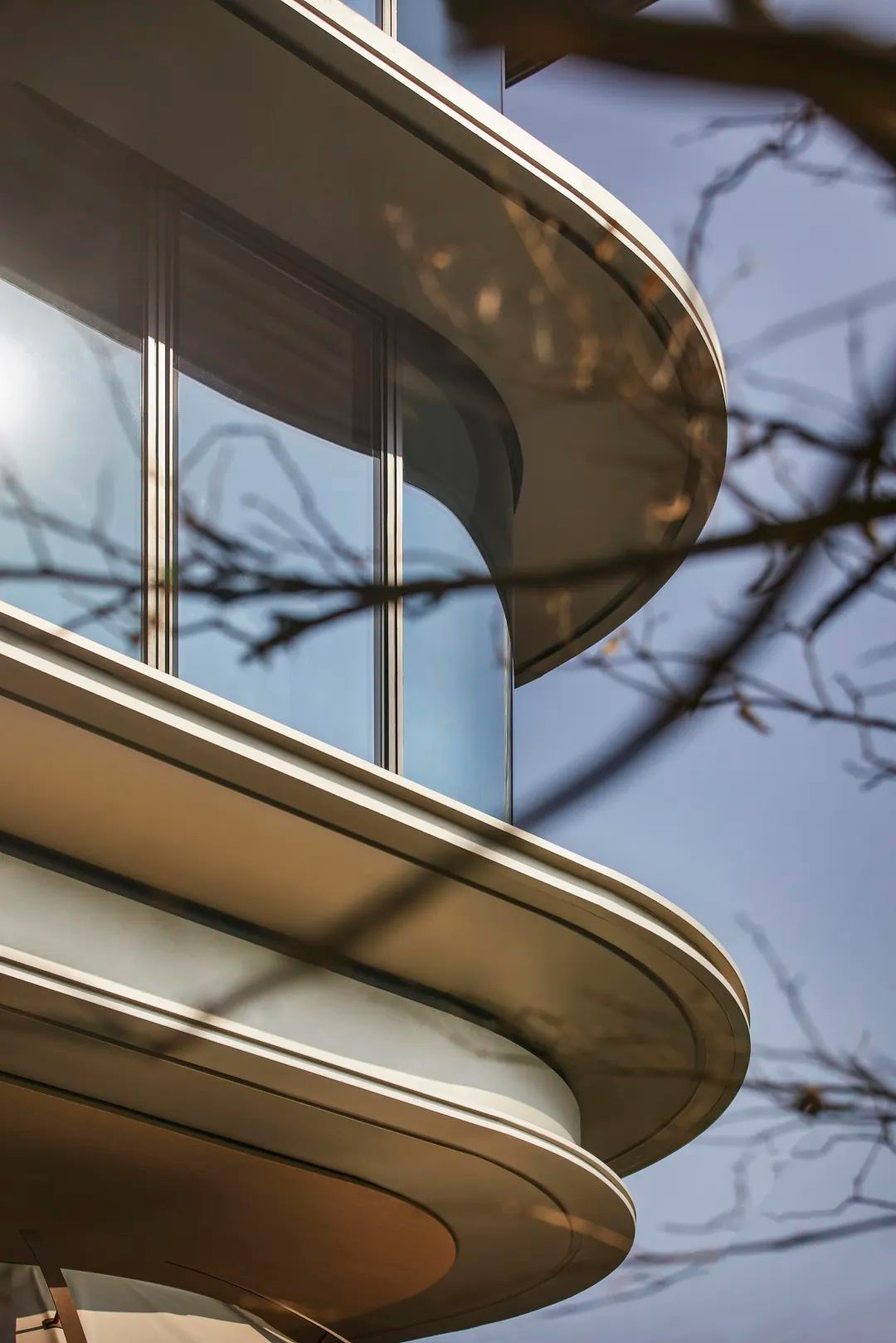
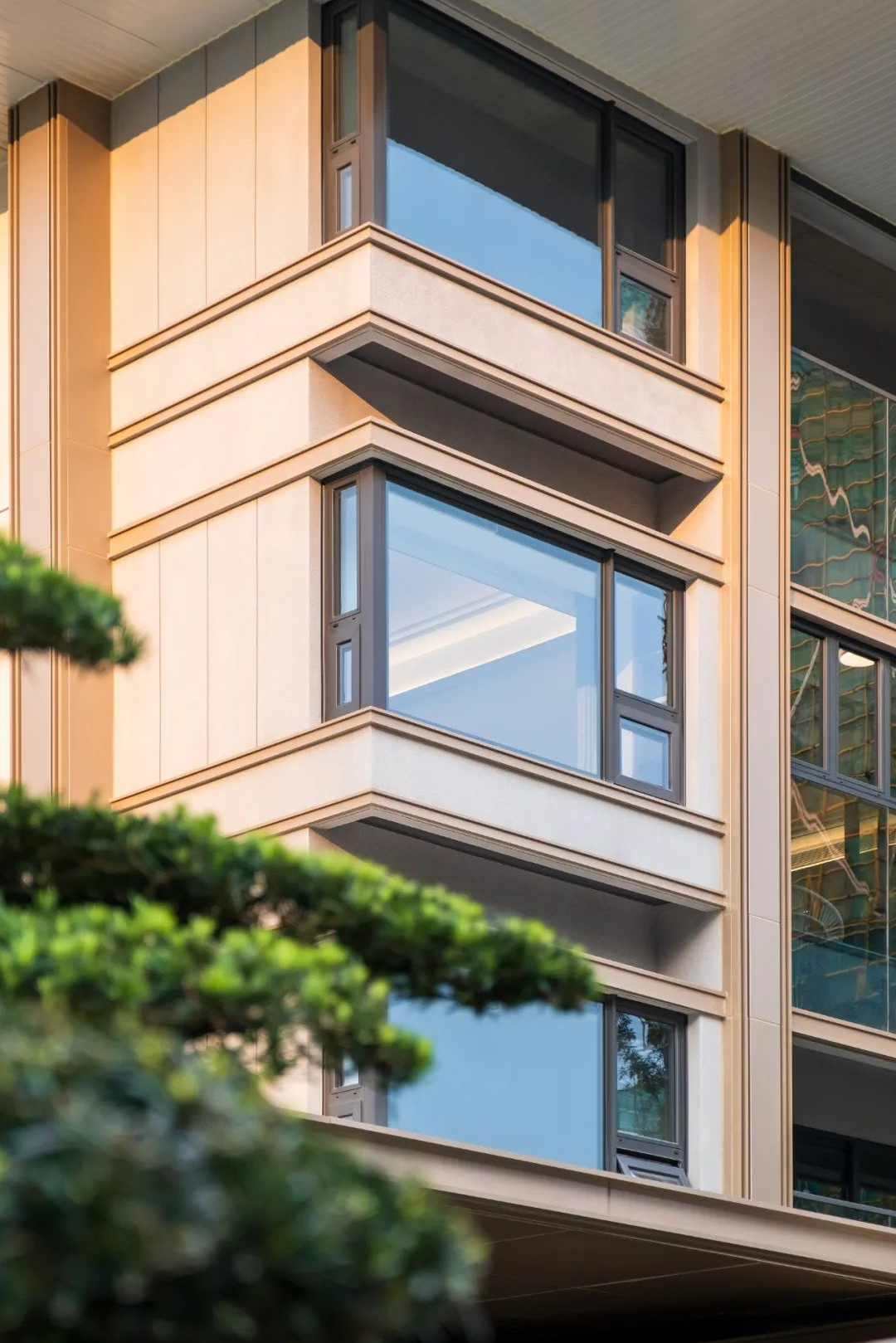
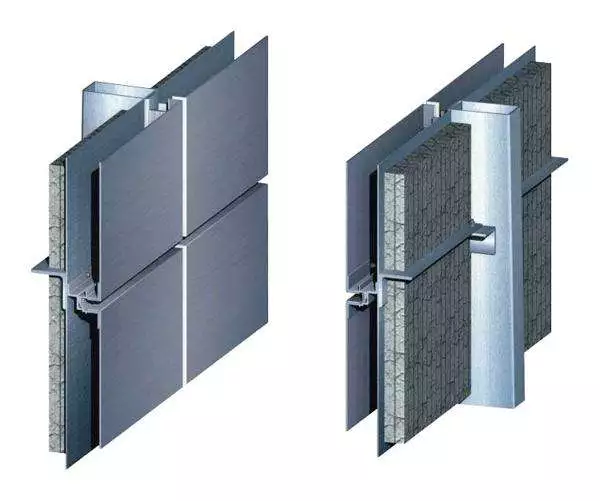
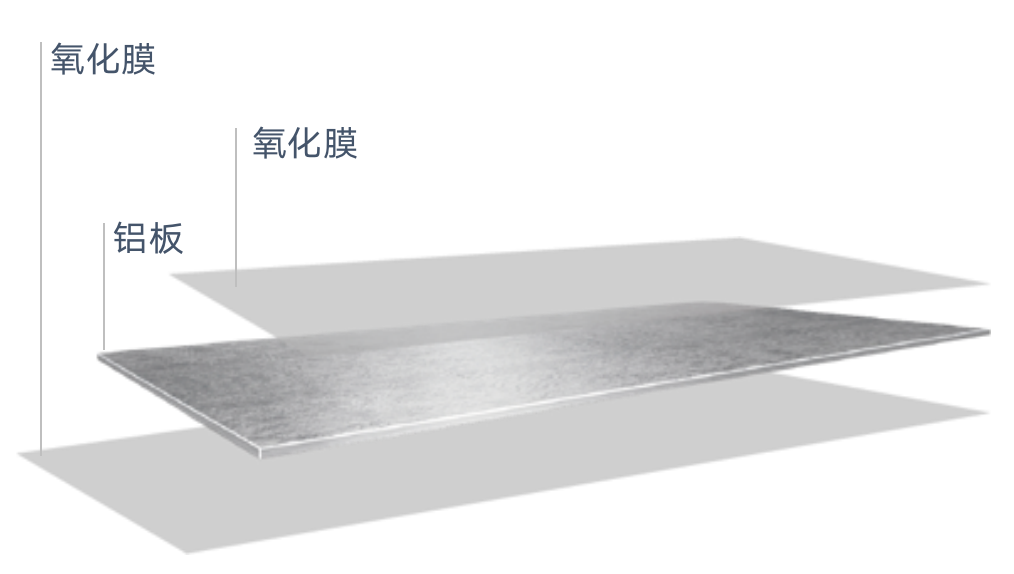
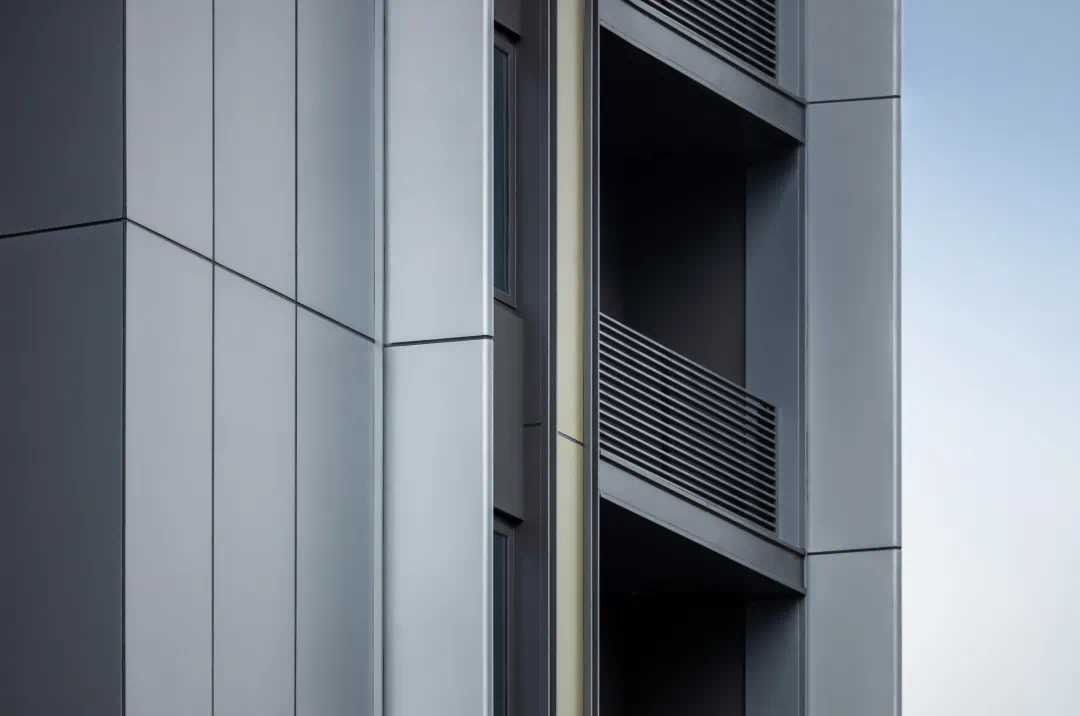
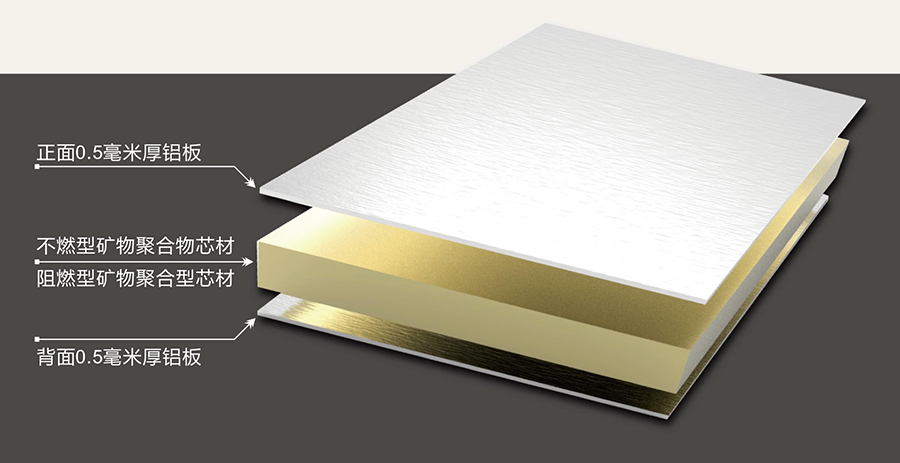
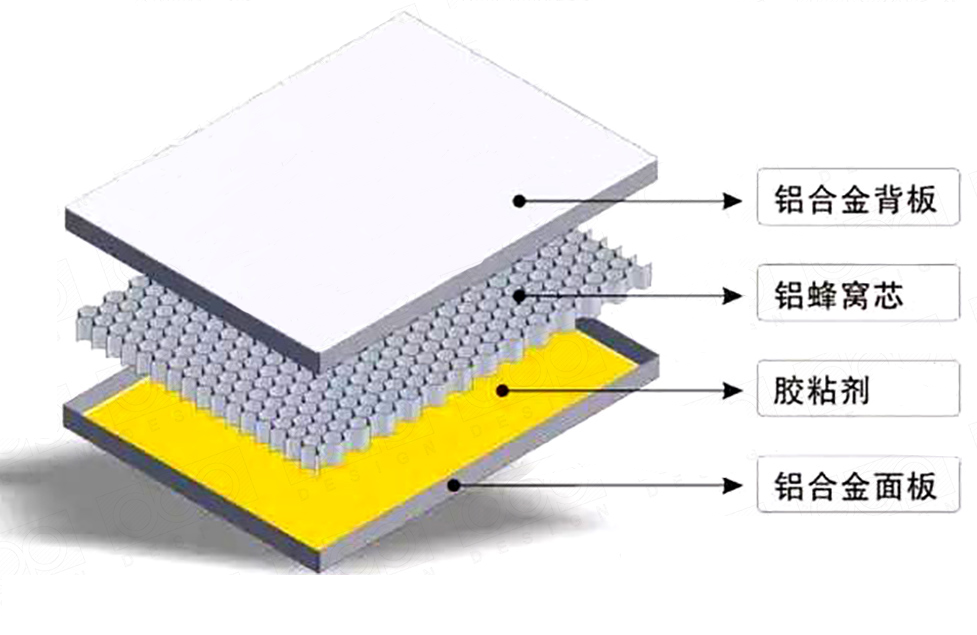
In architectural design, the building facade is the core of shaping the image and highlighting both aesthetic and functional value. With innovation in design concepts and technological advancements, aluminum panel curtain walls have become the top choice for modern building facade landmark elements and designers to enhance quality with their high plasticity, durability, and unique visual effects. △ Aluminum panel facade real sceneWhy does aluminum panel curtain wall stand out among many exterior wall materials and become a popular choice in modern architectural decoration? Next, let's take a closer look at its unique advantages and diverse application scenarios.Aluminum panel curtain wallsThe material system of aluminum panel curtain walls mainly consists of aluminum profiles, aluminum panels, and accessories. Among them, aluminum profiles, as the core framework and key components of the support system for aluminum panel curtain walls, play a decisive role in structural stability. Depending on function and installation location, aluminum profiles can be further divided into vertical columns, transverse beams, angle aluminum, and other types, working together to build a stable and orderly curtain wall frame. △ Diagram of aluminum panel curtain wallAluminum panels are the core material for the appearance of aluminum panel curtain walls. Depending on their shape and structure, they are classified as flat panels, honeycomb panels, corrugated panels, grid panels, etc., giving buildings a unique aesthetic in various forms to suit different design needs. There are two common surface treatment processes for aluminum panel curtain walls: anodizing and electrostatic spraying, each with its own characteristics and capable of meeting different performance and decorative requirements. △ Structural diagram of anodized aluminum panelFor anodized aluminum panel curtain walls, the oxide film thickness is usually above 12μ. However, this process has certain limitations, with relatively single color options, mainly concentrated in bronze and white. Moreover, even within the same batch, colors can easily show uneven shades. This color difference does not stem from production technology defects, but rather from batch differences in aluminum sheet raw materials, as well as the difficulty of achieving exact consistency in parameters during oxidation such as electrolytic cell concentration and current density, resulting in subtle differences in the final color. The spraying processes for aluminum panel curtain walls are mainly divided into two categories: powder coating and liquid spraying. Among them, powder coating uses polyurethane, poly-expansion resin, epoxy resin as the main raw materials, combined with highly color-retaining pigments, to produce dozens of spray powders in various colors, providing a rich color choice for building appearances. Advantages of aluminum panel curtain wallsLightweight, highly rigid, and highly durableAluminum curtain walls stand out for their outstanding performance: lightweight material, with aluminum panels 3.0mm thick weighing only 8kg per square meter, yet possessing high rigidity and tensile strength of 100-280N/mm²; Its self-weight is only one-fifth that of marble and one-third that of glass curtain walls, effectively reducing the load-bearing pressure of buildings; With outstanding structural strength and rigid support, it demonstrates outstanding stability and safety under extreme conditions such as strong winds and earthquakes.It is oxidation-resistant, corrosion-resistant, and has a long service lifeAluminum panels have excellent performance, offering excellent resistance to high temperatures, corrosion, weathering, oxidation, and ultraviolet rays. They are not easily oxidized or corroded, and can maintain stable performance even in harsh climate environments.△ Aluminum panel facade real sceneHighly versatile and diverse in appearanceAluminum panels offer outstanding performance, combining high temperature resistance, corrosion resistance, and weather resistance, while also possessing outstanding oxidation and UV resistance, effectively resisting external corrosion. Even in harsh weather environments such as acid rain, intense heat, and severe frost, aluminum panel curtain walls can maintain stable performance and remain fresh over time.Factory forming, convenient and fast installation and constructionThe aluminum plates are produced using a factory-prefabricated model, with precision forming and processing completed before leaving the factory. No secondary cutting is needed on site; it can be directly fixed to the frame structure, greatly simplifying the installation process; Daily maintenance requires no complicated procedures, truly achieving efficient and convenient installation and maintenance.Good self-cleaning, feels like new for long-term use, recyclable, and environmentally friendlyThe surface of aluminum panels is dense and smooth, with excellent stain resistance. Daily cleaning and maintenance are easy and convenient—just rinse with water or wipe them off to refresh them. Even more environmentally friendly, aluminum panels can achieve 100% recycling and reuse. After disposal, they effectively reduce resource consumption and environmental burden, practicing the concept of green buildings.Aluminum panels have become an indispensable key element in modern architectural design, with a wide range of applications, mainly concentrated in three major scenarios: high-rise buildings enhance structural safety and appearance with their excellent performance; Commercial buildings showcase unique styles through diverse shapes and colors, attracting foot traffic; Factory and office spaces optimize functionality with both practicality and aesthetics. In addition, aluminum panels can be further subdivided into various types based on design requirements and usage scenarios to meet differentiated needs. △ Aluminum composite panel1. Curtain walls are classified by panel material, with a wide variety of types. Mainly made of metal materials, including aluminum composite panels, single-layer aluminum panels, and aluminum honeycomb panels, combining strength and aesthetics; Titanium-zinc-plastic-aluminum composite panels, stainless steel plates, and color-coated steel plates, each showcasing unique properties; There are also highly functional fireproof boards and sandwich insulation aluminum panels; and uniquely crafted enamel steel plates, together providing diverse options for building facade design. △ Schematic diagram of honeycomb aluminum panelAmong them, metal composite panels are made by combining two or more materials. A typical example is aluminum-plastic composite panels, which tightly bond the aluminum plate to the plastic core layer, combining the rigidity of metal with the convenience of plastic processing; There are also metal sandwich panel curtain walls, which combine metal panels with insulation, fireproof, and other functional core materials, ensuring structural strength while endowing the curtain wall with excellent thermal insulation and flame retardancy. 2. Aluminum curtain wall panels are classified by surface treatment: based on differences in surface treatment processes, aluminum curtain wall panels can be divided into smooth and high-gloss panels, matte panels with a low-key texture, and those shaped with special techniques for three-dimensional shapes Profiled panels, as well as smooth, rhythmic corrugated panels, each type meets diverse architectural aesthetic needs. 3. By shape, they can be classified into: perforated aluminum panel curtain walls, shaped aluminum panels (divided into single and double-curved aluminum panels), carved aluminum panels, curved aluminum panels, column-clad aluminum panels (cylindrical aluminum panels, square column aluminum panels), aluminum grille ceilings, aluminum hanging panels, etc.
Aluminum panel curtain wall construction processThe main construction techniques for aluminum panel curtain walls can be divided into two categories: aluminum panel installation and aluminum composite panel installation based on panel material.Process flow of aluminum panel curtain walls
1. Surveying and setting lines: Using surveying instruments for precise positioning, the curtain wall horizontal and vertical baselines are determined, laying the foundation for construction.
2. Installation and verification of connectors: Fix the connectors to the main structure, strictly verify their positions and dimensions to ensure a stable connection between the curtain wall and the main body.
3. Installation of purlins and steel frames: Construct purlins and steel frames according to the layout positions, strictly control flatness and verticality, and construct the support frame.
4. Metal panel installation: Fix aluminum panels or composite panels to the steel frame using bolts and hangers according to design requirements.
5. Panel Cleaning and Sealing: After cleaning the panel surface, insert adhesive strips or foam sticks to prepare for sealing and glue injection.
6. Glue injection sealing: Apply adhesive evenly on the outside of the board seams to ensure waterproof and airtight sealing, and keep the glue lines full and attractive.
7. Surface Cleaning: Thoroughly remove residual stains, presenting a clean and attractive curtain wall effect.
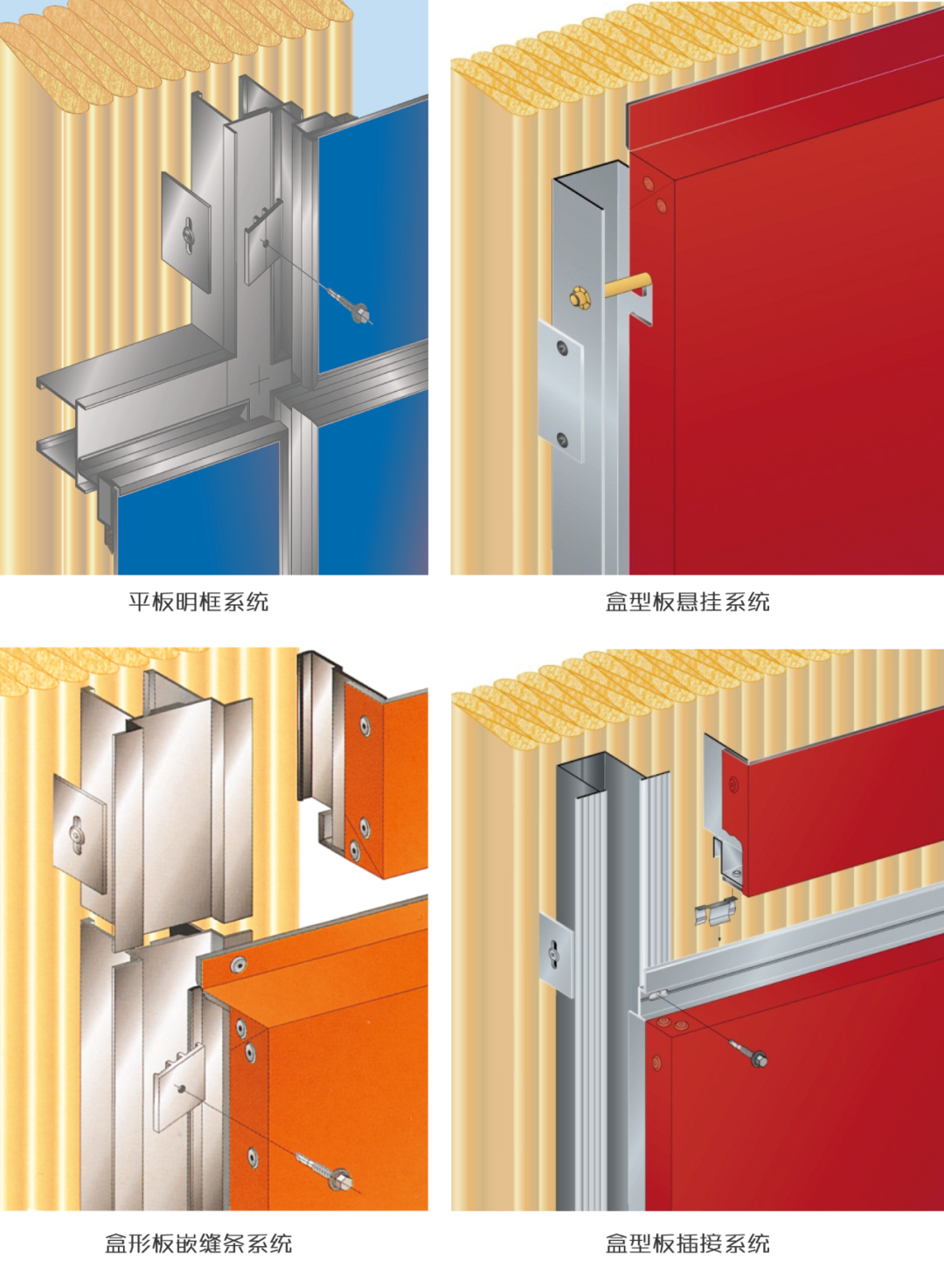
Aluminum composite panel construction and installation nodesAluminum composite panels commonly use open curtain wall installation systems, which, thanks to their unique structural design, make installation easier and significantly shorten the construction period. While improving construction efficiency, it effectively reduces labor and time costs, achieving optimal cost control.△ Aluminum composite panel open curtain wall installation systemCompared to traditional sealed curtain walls with glued joints, open curtain walls better meet building energy-saving needs and can effectively extend the building's service life. Through economical structural design, it reduces the overall construction cost of exterior walls. Common installation systems include flat panel exposed frames, box panel hanging, box profile panel joint strips, and box profile panel insertions.With outstanding aesthetic appeal and structural compatibility, aluminum panel curtain walls can shape a unique architectural appearance with diverse shapes and textures, while also meeting structural mechanics and safety protection requirements, making them an indispensable core element in modern curtain wall design.





 Shanghai
 Email
Email